
Best Water Spot Remover for Cars: Paint vs Glass vs Coated
The best water spot remover for your car depends on the surface: paint and glass need different removers. Choose Dissolve X2 for paint, Spotless X2 for glass and SFX1 for protection after the spots are gone.
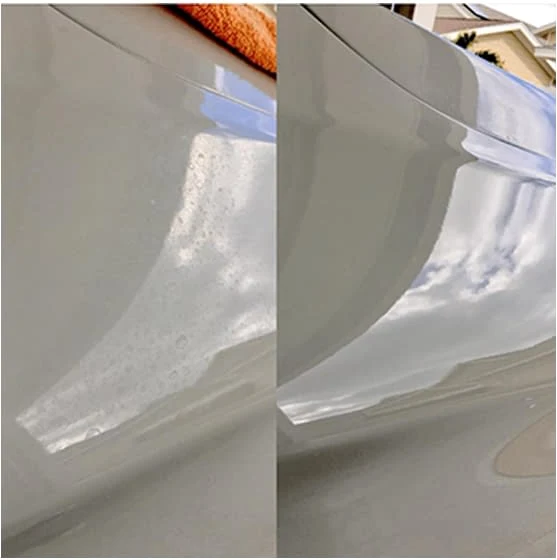
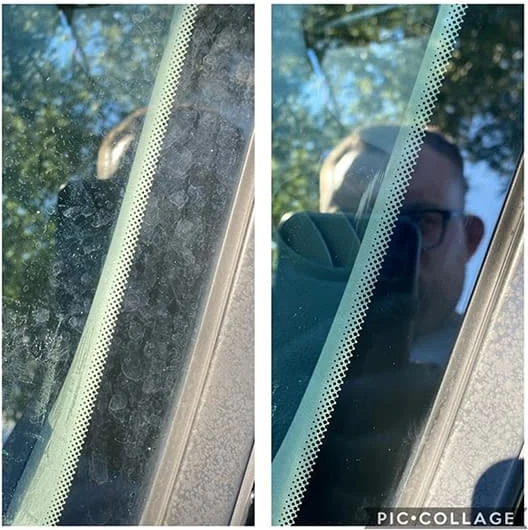
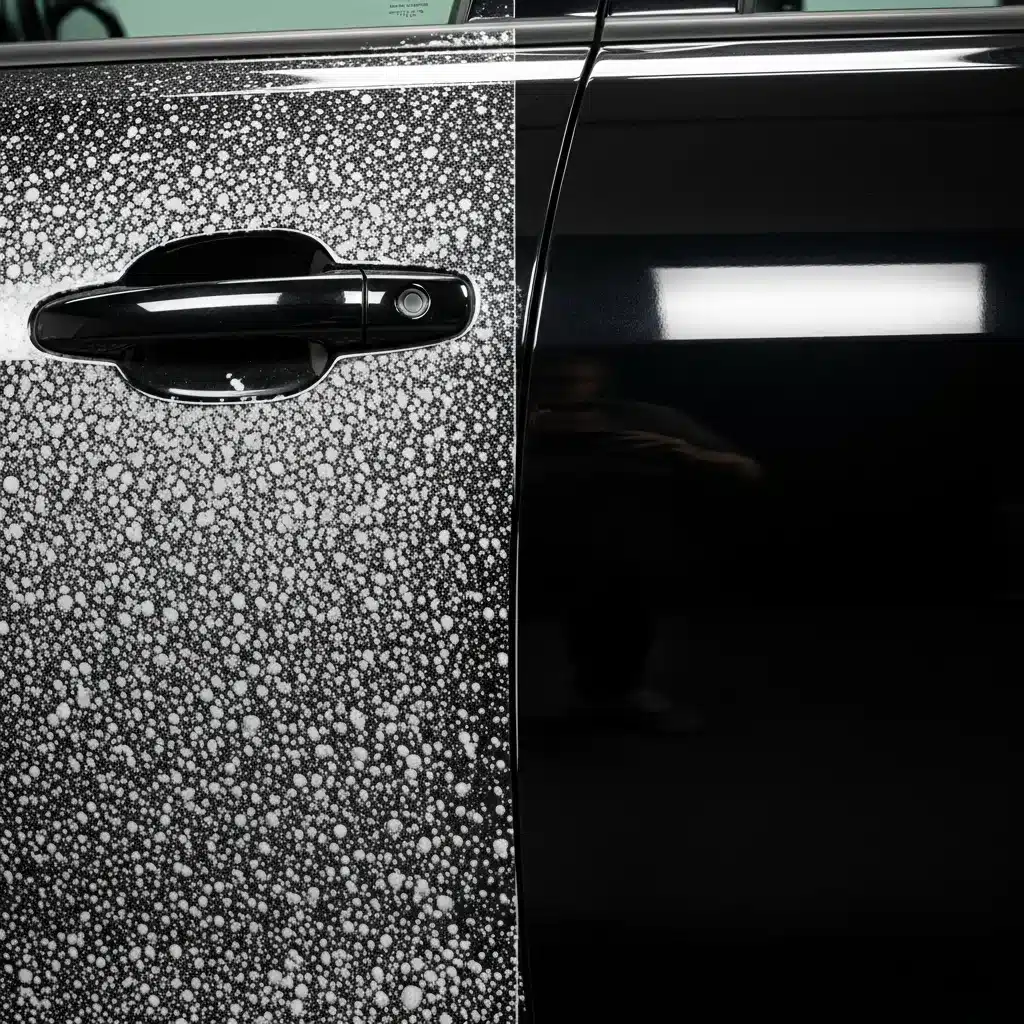
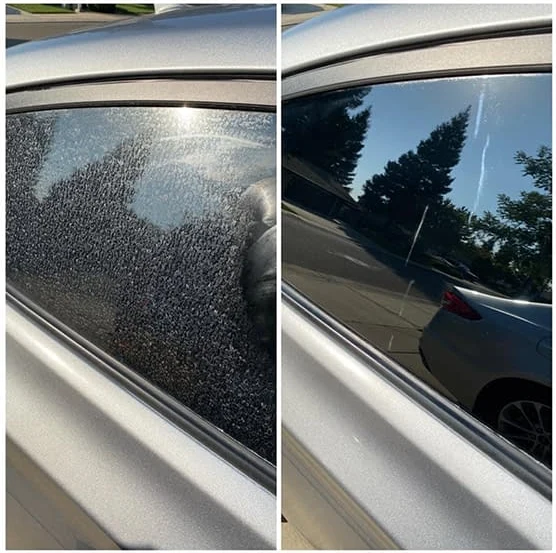
This is Sud Factory’s surface-based buying guide, not a laboratory ranking of every brand or a claim that we ran a new multi-brand test. The photos below are existing product-page and customer result images from sudfactory.sbs, not a fabricated bake-off.
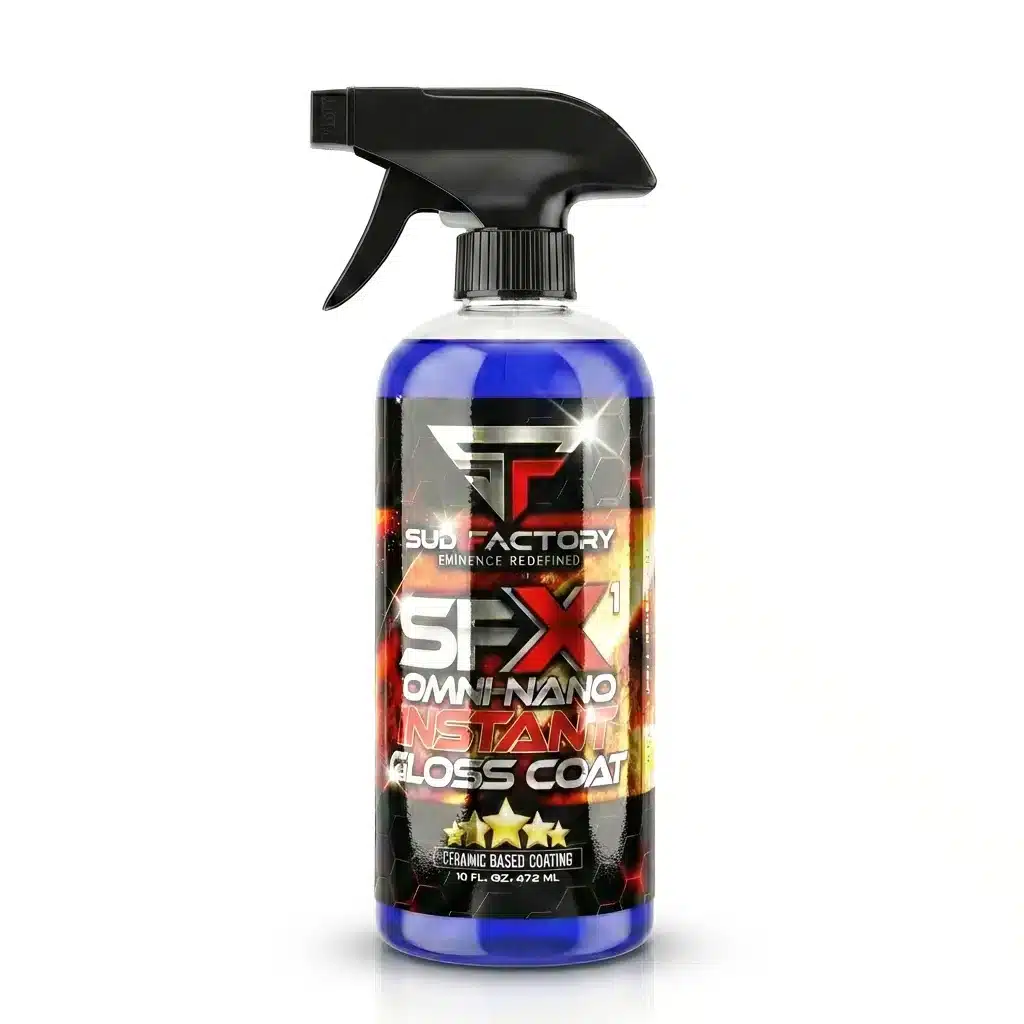
The short answer
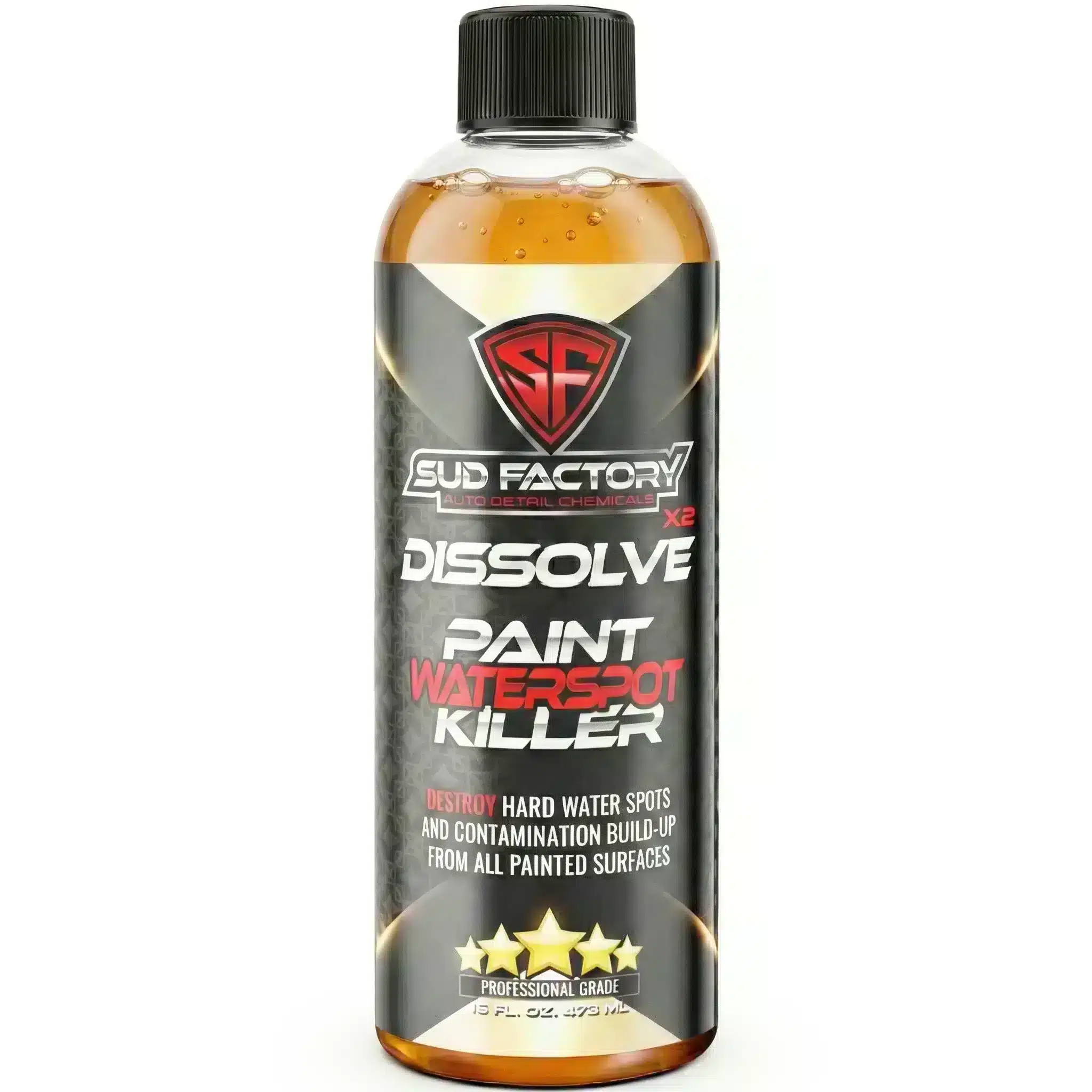
- Paint, clear coat, ceramic, matte, PPF or wrap: Dissolve X2 is the non-abrasive remover, applied by hand without a buffer.
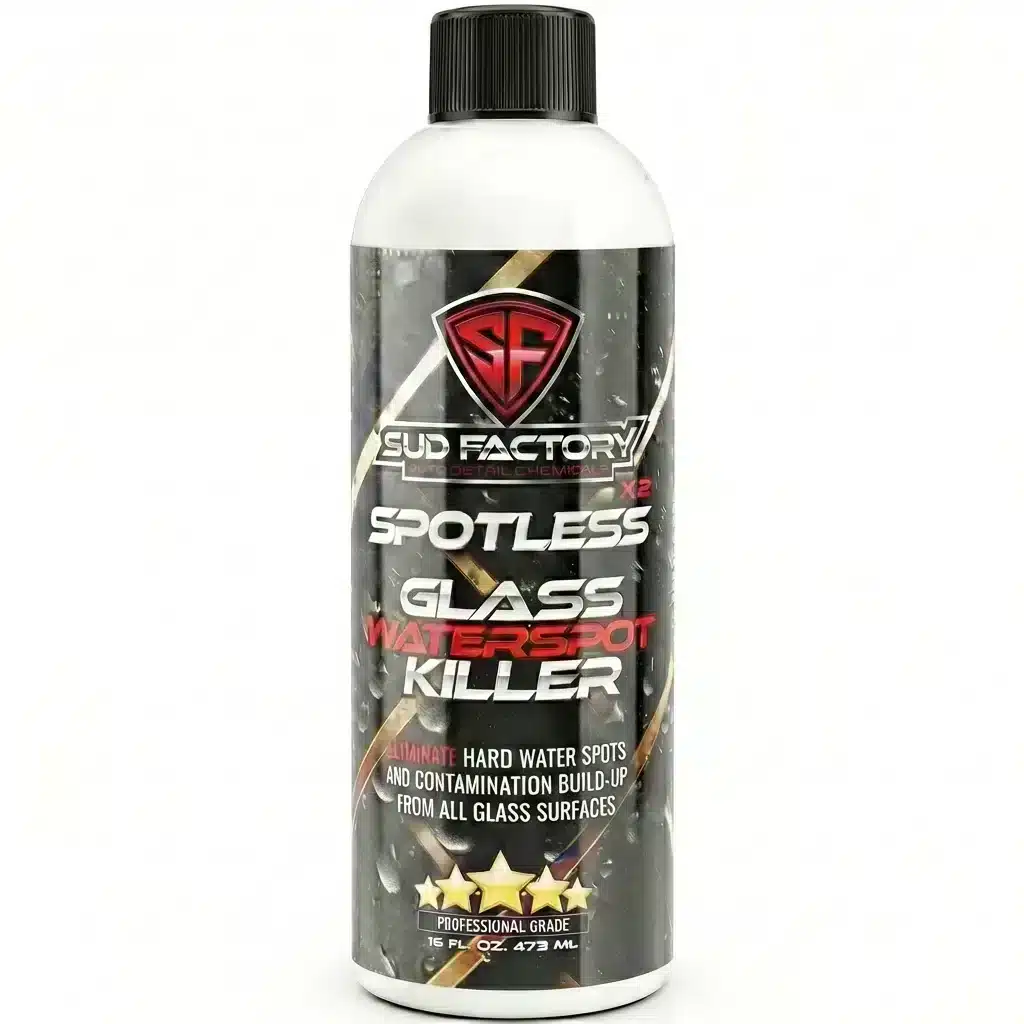
- Windshields and car windows: Spotless X2 is the polishing remover for hard water stains and etching on glass. Keep it off paint.
- Protection after removal: SFX1 lasts up to 12 months and will not change a matte finish.
Need the full system? The Ultimate Bundle includes all three for $74.99. Buy a single bottle when only one surface needs removal, or pair a remover with SFX1 if you want aftercare too.
Deposit or etching? Check before you buy
Start with a wash so loose dirt does not get worked into the finish. A mineral deposit sits above the surface; etching is damage into it. The two may be present together. A spot that remains after washing does not automatically prove etching.
On clean glass, a raised ring can suggest a deposit; a smooth mark can be etched or bonded contamination. Wetting the area changes visibility but is not a definitive damage test. Do not scrape or drag a fingernail across paint. Compare a small clean, dry test area under the same light before continuing.
On paint, use the directed Dissolve X2 pass and repeat a short pass if needed. If it still will not come off, the stain is ingrained in the clear coat. On glass, Spotless X2 can take etching out, but do not assume every deep defect will disappear. See water spots vs etching and glass damage from hard water.
Why one bottle rarely wins the whole car
Dissolve X2 contains buffered ammonium bifluoride and is the non-abrasive paint bottle. It is not for glass or glass mirrors; plastic mirrors are OK after checking the material. Spotless X2 is the polishing glass bottle with diamond micro-particles. It is not for paint or natural stone.
Those exclusions matter more than a generic “best overall” label. If both the hood and windshield are spotted, treat them as two jobs. Keep applicators separate so product from the paint step is not transferred onto glass or vice versa.
| Your job | Choose | Important limit |
|---|---|---|
| Paint / clear coat / ceramic / matte / PPF / wrap | Dissolve X2 | About 30 seconds, no drying; always test wrap/PPF. Not glass. |
| Windshield / car windows / glass mirrors | Spotless X2 | Slightly damp preferred, no dwell. Not paint/natural stone; untinted side only. |
| Protection after removal | SFX1 | Apply to clean, dry surface; up to 12 months, not a deposit remover. |
Best for car paint, coated, matte, PPF or wrap
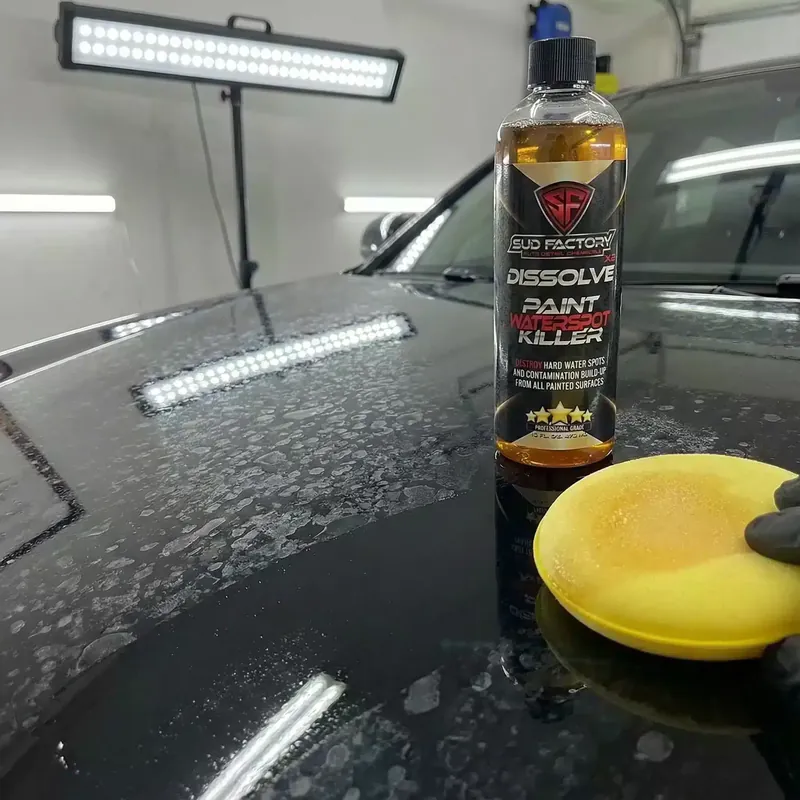
Dissolve X2 is safe on clear coat, ceramic coatings, matte paint, PPF and vinyl wraps when directed. It is non-abrasive, hand-applied and needs no buffer. It also removes red dirt, rust, tar, sap and bugs. It has 850 reviews and a 16 oz bottle covers 1–2 cars.
- Wash first and rinse away grit. Work on a cool panel in the shade, not a hot surface.
- Test a hidden area first. Always test on wraps and PPF, which do not have clear coat. Check the film maker’s care instructions too.
- Put Dissolve X2 on a microfiber applicator pad, not directly on the panel. Work a small section with light pressure. No buffer is needed.
- Leave it on about 30 seconds and do not let it dry. Wipe with a damp microfiber towel, rinse, and dry.
- If a ring remains, do another short pass without letting it dry. If it still will not come off on paint, the stain is ingrained in the clear coat. Do not keep increasing pressure or dwell.
- Keep Dissolve X2 off glass and glass mirrors. Plastic mirrors are OK, but verify the material rather than guessing.
- Protect the clean surface with SFX1. It lasts up to 12 months, needs no buffer and will not change a matte finish.
A ceramic-coated car can still get mineral spots as beads dry. Do not assume beading means the panel needs no drying or spot checks. For the complete procedure see the paint how-to and the matte, PPF, wrap and ABF safety guide.
The Dissolve X2 Safety Data Sheet uses the signal word “Danger” and states “Causes severe skin burns and eye damage”. Wear protective gloves and eye protection, work with ventilation, and follow the label and SDS. Read the Dissolve X2 SDS. SDS checked November 5, 2026 (HST).
Best for car glass and windshields
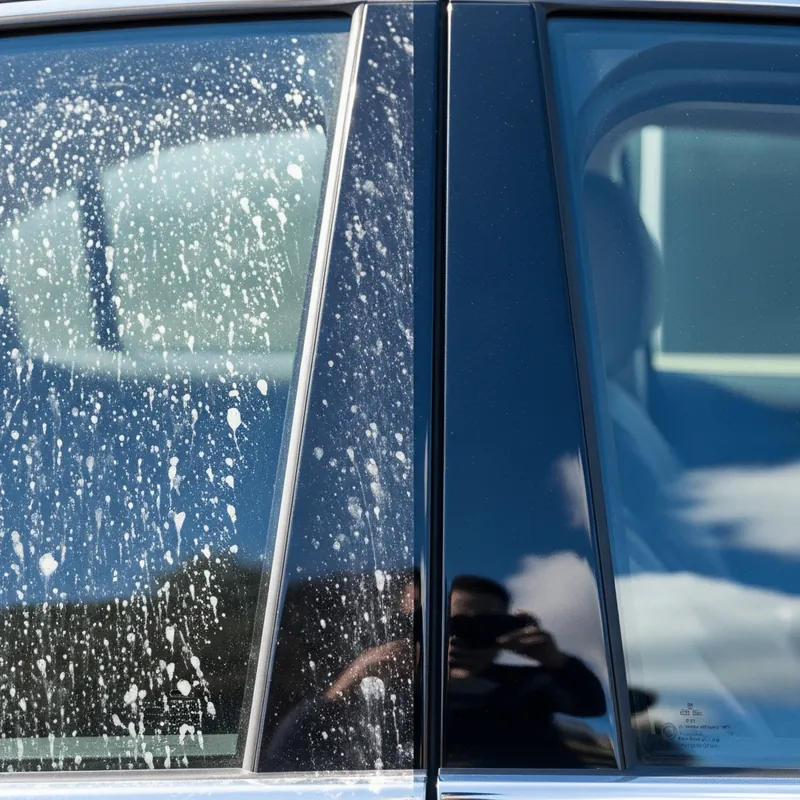
Spotless X2 removes hard water stains and can take etching out on glass. It is a polishing remover, not a non-abrasive spray. Slightly damp glass is preferred, though it can go on dry. Use a microfiber pad, work a small section, wipe damp, rinse and dry; there is no dwell time and no buffer is needed.
Harder stains can take 2–3 passes. Keep it off surrounding paint and natural stone, and use the untinted side only on tinted glass. It takes off factory easy-clean coatings, so do not treat a coating you want to preserve without checking its care instructions.
Spotless X2 has 1,240 reviews; a 16 oz bottle covers 1–2 cars or several shower doors. See the windshield guide for the dedicated glass procedure. Those existing paint and windshield pages remain separate deep guides, not pages replaced by this buyer’s guide.
The Spotless X2 Safety Data Sheet uses the signal word “Danger” and states “Causes severe skin burns and eye damage”. Wear protective gloves and eye protection, work with ventilation, and follow the label and SDS. Read the Spotless X2 SDS. SDS checked November 5, 2026 (HST).
After the spots: SFX1
SFX1 protection lasts up to 12 months, needs no buffer and will not change a matte finish. It has 540 reviews. Mist onto the clean, dry surface or a towel, spread evenly and buff with a clean dry towel. Reapply when water stops beading.
Protection comes after removal. It does not dissolve the mineral crust already on the panel. Wash and dry routinely, avoid sprinkler overspray where possible and deal with fresh spots before buildup gets heavy.
What “best of” lists recommend and what they can miss
A roundup’s single overall winner may not fit your coating, film or glass. Use lists as a starting point, then read each maker’s directions. A product being listed for paint or glass does not establish compatibility with every coating or trim material.
For example, Chemical Guys Heavy Duty’s maker page warns against ceramic coatings, while CarPro Spotless 2.0’s maker page states CQUARTZ use and separate glass cautions. Griot’s page lists paint, chrome, plastic trim and glass without a full ceramic/PPF/wrap matrix. These are maker-page observations read November 5, 2026 (HST), not test rankings.
DIY vs paying a detailer
DIY makes sense when you can identify the finish, work safely on a small test area and follow the directions. A detailer is worth considering when you cannot identify the surface, the finish or film is damaged, or a paint stain remains after the directed method. Do not keep extending dwell or scrubbing harder to avoid asking for help.
Detailer prices vary by job and location, so get a local quote rather than relying on a made-up nationwide figure. Compare that quote with the work you can safely do, not just the price of a bottle. Read the how-to-use guide before starting.
What to buy
Paint only: choose Dissolve X2. Glass only: choose Spotless X2. Both surfaces: choose the two removers; add SFX1 for protection or choose the Ultimate Bundle. Match each bottle to the surface instead of trying the paint bottle on glass because it is already open.
Cost and coverage
- Single 16 oz bottle: $39.99
$79.98. - Any 2 bottles, mix and match: $64.99. Choose Spotless X2 + SFX1 for glass and aftercare.
- Any 3 bottles or the Ultimate Bundle: $74.99. The Ultimate includes Spotless X2, Dissolve X2 and SFX1.
- Shipping: free on orders of $49.99 or more; $4.99 under $49.99. Read the shipping policy.
- 30-day money-back guarantee: the customer pays return shipping unless the item arrived damaged. Read the returns policy.
Spotless X2: 1,240 reviews · Dissolve X2: 850 reviews · SFX1: 540 reviews. Across Sud Factory: 4.96 stars from 10K+ reviews, 150,000+ customers and 500,000+ bottles shipped. Founded in 2019, based in Hawaii, and 100% made and shipped in the USA.
FAQ
What is the best water spot remover for cars overall?
Choose by surface: Dissolve X2 for paint, Spotless X2 for glass and SFX1 after removal. This is a buying guide, not a claim of winning a multi-brand lab test.
Do I need different products for paint and glass?
For this system, yes. Dissolve X2 is not for glass and Spotless X2 is not for paint.
What should I use on clear coat, matte, PPF and wraps?
Dissolve X2 is non-abrasive and confirmed safe on these surfaces when directed. Always test wraps and PPF first.
What should I use on windshields and etched glass?
Spotless X2 removes hard water stains and can take etching out on glass by hand. It is a polishing remover; use the untinted side only on tinted windows.
How do I tell deposits from etching?
A raised mark on clean glass suggests deposits; wet appearance and smooth haze are clues rather than proof. Test a small area and inspect it dry; do not scrape paint.
Are acid water spot removers safe on clear coat?
Dissolve X2 is confirmed safe when used as directed. Do not generalize that claim to every formula; read the label and SDS.
What is safe on a ceramic-coated car?
Dissolve X2 is confirmed safe on ceramic coatings when directed. Work cool and shaded, about 30 seconds without drying, then wipe damp, rinse and dry.
Can I remove spots without a buffer?
Yes. The directed hand methods for Dissolve X2 and Spotless X2 do not require a buffer; SFX1 also needs no buffer.
Is DIY worth it versus a detailer?
DIY can suit a safely accessible job with an identified surface and a successful small test. Get a local professional quote for uncertain materials, damage or stubborn paint marks rather than relying on invented savings.
Should I buy one bottle or a bundle?
Singles are $39.99, regularly $79.98; any 2 are $64.99 and any 3 or the Ultimate Bundle is $74.99. Buy for the surfaces you need and add SFX1 for aftercare; shipping is free at $49.99+ and $4.99 under.