
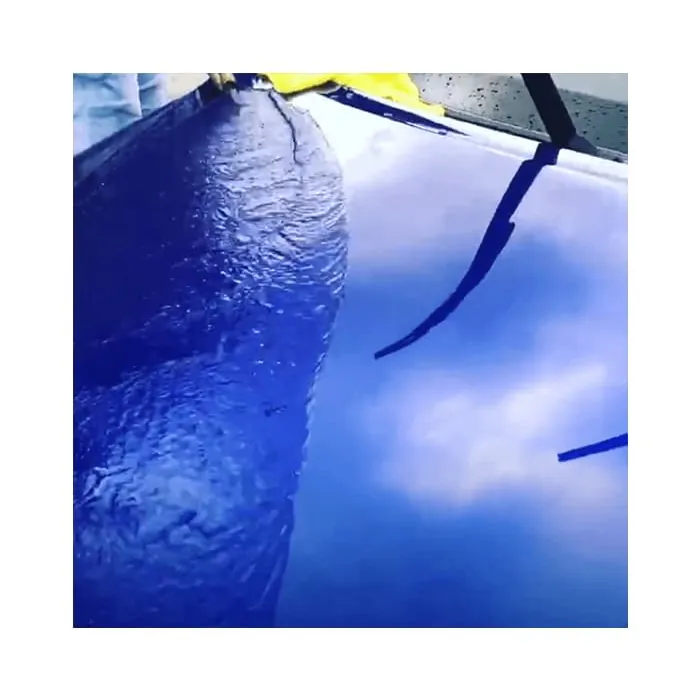
Boats get it from both sides: salt spray on the water, then hard water spots from the rinse at the dock. The result is cloudy glass and dull chrome.
- Rinse salt off with fresh water after every trip.
- Dry glass and chrome so rinse water doesn’t spot.
- Spotless X2 is for glass, chrome and metal; check if your windows are acrylic.
- Use Dissolve X2 on gelcoat and protect with SFX1.
Why boats spot twice
Out on the water, salt spray dries into a crusty film. Back at the dock, the freshwater rinse that removes the salt leaves its own minerals if it’s allowed to dry. Boat glass and chrome often get both layers in a single day.
Boats also spend hours in full sun with no shade, so everything that lands on them dries fast and bonds hard.
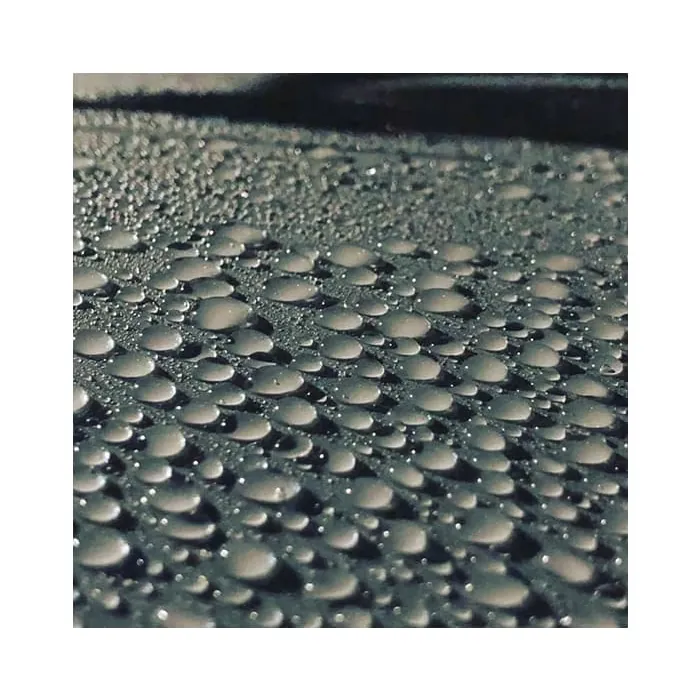
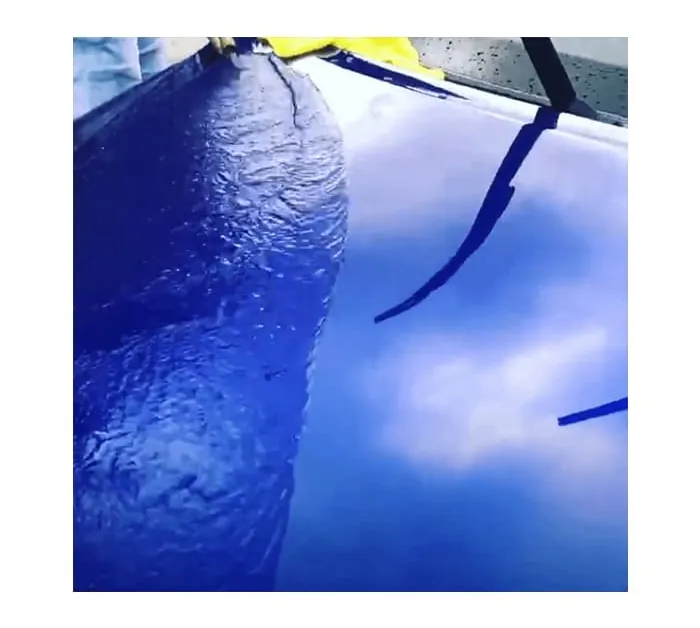
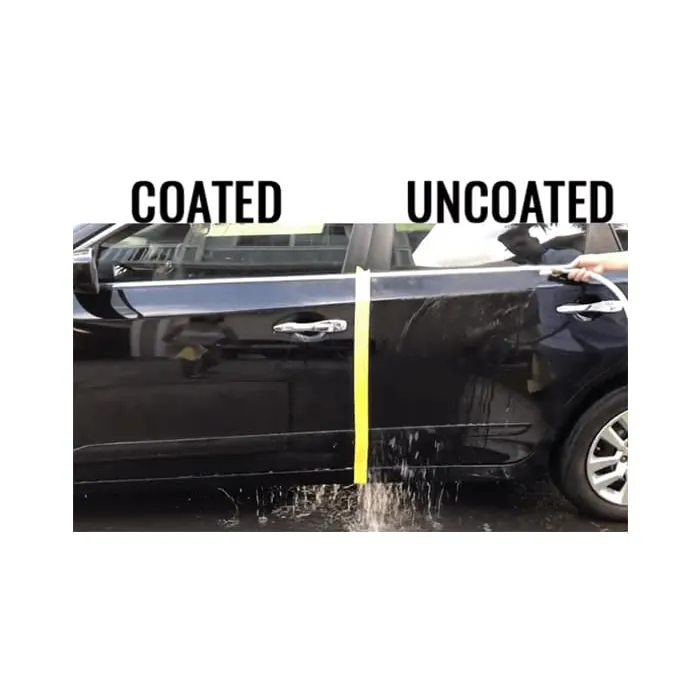
After every trip
What you’ll need
- Fresh water hose
- Spotless X2
- Dissolve X2 (gelcoat)
- SFX1
- Microfiber towels and pads
- Nitrile gloves and eye protection
- Rinse with fresh water to get the salt off before it dries.
- Dry the glass and chrome with a clean microfiber so rinse water doesn’t spot.
When the glass is already spotted
Spotless X2 works on glass, chrome and metal with salt and hard water spots.
Spotless X2 is a strong acid cleaner: its Safety Data Sheet lists it as causing severe skin burns and eye damage. Wear gloves and eye protection, keep it off your skin, and read the label before you start. Every sheet is on our SDS page.
- Work on cool, dry glass in the shade. Start clean so you can see every spot.
- Use a quarter-sized dab of Spotless X2 on a microfiber applicator pad. A little covers a big area.
- Cross-hatch it over the spots, up and down then side to side. Heavy buildup may need a second pass.
- Wipe with a damp towel, then buff dry with a clean microfiber.
Check what your windows are made of. Many boats use acrylic or polycarbonate, not glass. Spotless X2 is made for hard surfaces like glass, chrome and metal; for plastic windows, follow the boat or window maker’s care advice.
Gelcoat too
For water spots and stains on gelcoat, use Dissolve X2, and protect it with SFX1.
Glass, acrylic or polycarbonate?
Windshields on many boats are acrylic or polycarbonate rather than glass, and plastics scratch more easily and react differently to chemicals. Spotless X2 is made for hard surfaces like glass, chrome and metal. If you’re not sure what your windows are made of, check with the boat maker before using any spot remover on them.
Common mistakes to avoid
Letting salt dry overnight. Rinse as soon as you’re back.
Air-drying after the rinse. That’s where the hard water spots come from.
Using glass products on plastic windows. Check the material first.
Working over open water. Keep products out of the water.
A simple care schedule
| When | What to do |
|---|---|
| After every trip | Fresh water rinse, then dry glass and chrome. |
| Monthly | Spot-treat glass and gelcoat. |
| Seasonally | Full clean, then protect with SFX1. |
Frequently asked questions
How do I get salt off boat glass?
Rinse with fresh water after every trip, before the salt dries, then dry the glass with a clean microfiber.
Can I use Spotless X2 on acrylic boat windows?
Spotless X2 is made for hard surfaces like glass, chrome and metal. For acrylic or polycarbonate windows, follow the window maker’s care advice.
What should I use on gelcoat?
Dissolve X2 for water spots and stains on gelcoat, and SFX1 to protect it.
Can I use Spotless X2 on stainless rails?
It works on chrome and metal. Test any special finish in a hidden spot first.
How do I keep salt from building up?
Rinse with fresh water after every trip and dry the surfaces.
Clear glass on the water
Spotless X2 handles salt and hard water spots on glass and chrome.